
The use of third-party tools like kmspico office 2019 has become prevalent among users seeking to bypass licensing constraints on software. These tools provide a workaround for activating products like Microsoft Office without an official product key. However, they also introduce significant challenges and risks, particularly concerning compliance and security. As the digital landscape continues to evolve, understanding the implications of using such tools is crucial for both individuals and organizations.
Understanding kmspico office 2019
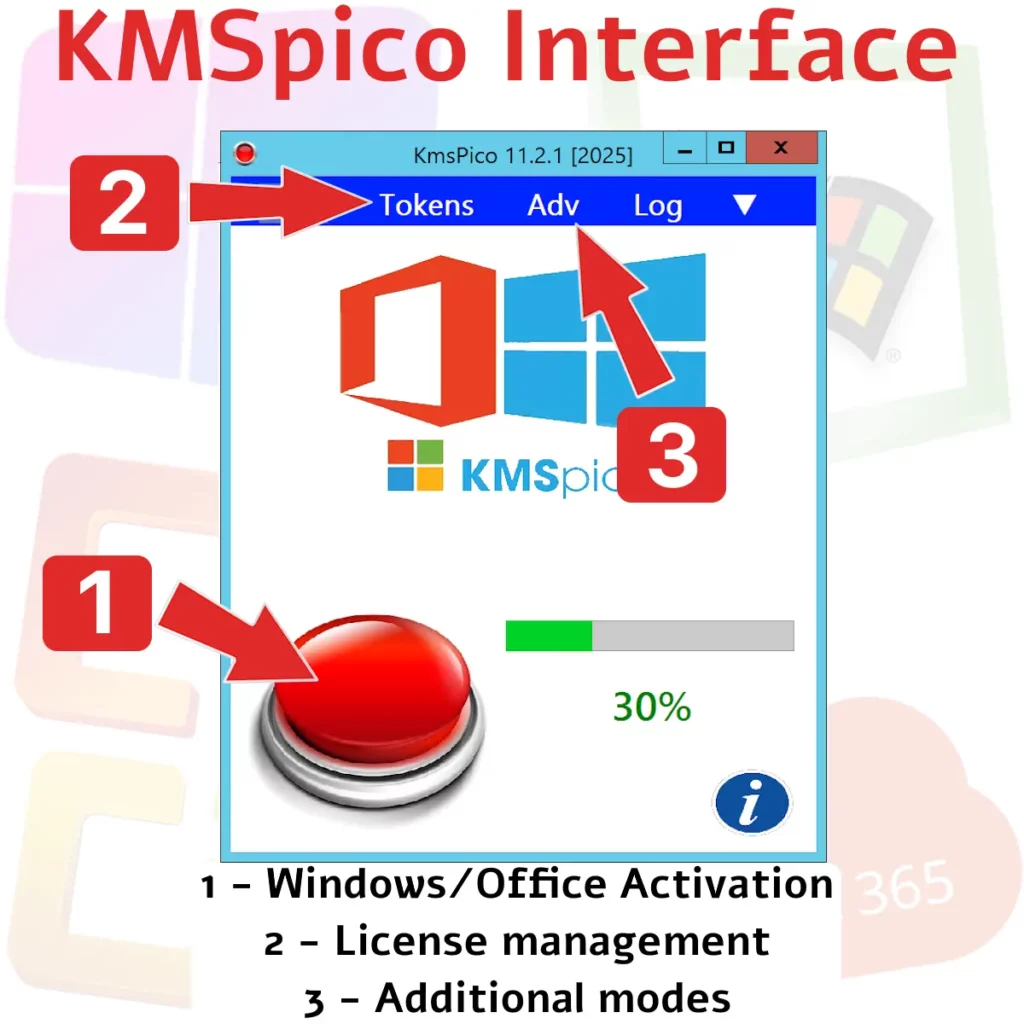
Kmspico office 2019 is a popular kms tool used to crack software licenses. It functions by emulating a Key Management Server (KMS) activation method, one that is typically used by enterprises to activate large numbers of machines efficiently. By impersonating a legitimate KMS environment, this tool tricks the software into thinking it is properly licensed. This makes kmspico a preferred office activator for many who want to access premium features without paying for them. While this might seem like an easy solution to avoid costs, it’s important to delve deeper into how it operates and the broader consequences of its use.
Risks Associated with kmspico office 2019
While the allure of avoiding licensing fees is strong, using kmspico office 2019 comes with considerable risks. The primary concern is security; these tools often bypass built-in security measures, potentially opening systems up to malware or other malicious software. Additionally, they can compromise the integrity of business environments, especially if they circumvent essential security protocols designed to protect sensitive data. The potential for introducing vulnerabilities that could be exploited by cybercriminals represents a significant threat.
An additional risk involves compatibility issues that might arise from using unauthorized activators. Software updates may not function correctly or could be disabled entirely, leading to performance problems or loss of functionality over time. These technical issues can disrupt workflow and result in increased downtime and productivity loss.
Legal Implications of Using Activation Hacks
The use of license bypass techniques like those employed by kmspico office 2019 can lead to legal consequences. Software companies invest heavily in development and expect users to adhere to licensing agreements. Violating these agreements through activation hacks not only violates contractual terms but can also result in severe penalties or litigation from software vendors. Companies caught using such methods may face hefty fines, reputational damage, and loss of trust among clients and partners.
Moreover, participating in illegal software activation undermines the software industry’s economic model, which relies on revenue from legitimate sales to fund future development and innovation. For individual users caught using such tools, repercussions could include restrictions on account usage or permanent bans from accessing certain services.
Technical Constraints in Enforcing Licensing
Organizations face significant challenges when trying to enforce licensing with the presence of tools such as kmspico office 2019. One major constraint is the technical capability required to detect and prevent unauthorized activations consistently. Many IT departments lack the resources or expertise to implement an efficient monitoring system that can identify unauthorized kms windows activator usage.
The complexity involved in distinguishing between legitimate KMS requests and those generated by kmspico office 2019 further complicates enforcement efforts. This difficulty highlights the need for advanced detection algorithms capable of analyzing network traffic patterns and identifying anomalies indicative of unauthorized activation attempts.
Detecting Unauthorized Activation
Implementing server-side checks and regular audits can help detect unauthorized use of activators like kmspico office 2019. Yet, these methods require advanced infrastructure and sophisticated software that smaller organizations may not possess. Tools such as Microsoft’s DISM (Deployment Image Servicing and Management) can aid in identifying discrepancies in activation status.
Organizations must also consider investing in automated solutions that offer real-time monitoring capabilities alongside manual audits. Such systems can provide alerts when suspicious activity is detected, enabling prompt investigation and resolution before any significant damage occurs.
Resource Limitations
The efficacy of anti-piracy measures can also be limited by resource constraints such as VM configurations – for instance, systems running on VM with only 2 vCPUs and 4 GB RAM may not support extensive monitoring systems required to track kms activity effectively.
- Cost of deploying advanced monitoring solutions often outweighs perceived benefits for small businesses.
- Lack of trained personnel capable of managing complex security infrastructures within smaller IT departments.
- Limited budget allocations impede investment in necessary technological upgrades needed for effective enforcement.
Best Practices for Licensing Compliance
Despite these challenges, organizations can adopt best practices to ensure compliance with software licensing requirements. Regular training for IT staff on the latest security threats posed by kms tools is crucial. Additionally, maintaining updated systems and employing legitimate product keys are foundational steps toward compliance.
Developing comprehensive policies that outline acceptable use practices regarding software installations ensures all employees understand their roles in maintaining compliance standards within their organization.
Education and Training
Educating employees about the risks associated with using unauthorized software activators like kmspico office 2019 reduces reliance on such tools. When staff understands the potential legal and security implications, they are less likely to engage in risky behavior that could jeopardize their organization’s integrity.
This education should extend beyond IT staff to encompass all employees who interact with company technology resources regularly — fostering a culture where adherence to licensing agreements becomes second nature across all levels within an organization.
Investment in Legitimate Licensing Solutions
Investing in proper licensing solutions not only supports developers but also ensures access to support services and updates that enhance productivity and security. While some may view purchasing legal licenses as expensive, it ultimately protects against the far greater costs associated with data breaches or legal disputes.
This investment yields long-term benefits including improved system stability through consistent updates provided directly by vendors alongside access to customer support channels equipped to resolve technical issues efficiently — minimizing disruptions caused by unforeseen problems encountered during day-to-day operations.
The Future of Software Activation Tools
The evolution of software activation hacks like kmspico office 2019 highlights the ongoing tug-of-war between users seeking free access and companies striving to protect intellectual property rights. As technology advances, so too must the strategies employed by both sides — leading toward more sophisticated detection techniques and potential shifts in how licensing models operate.
A Look Ahead: Kmspico 2025?
The future may see enhancements in kms tools similar to a hypothetical “kmspico 2025,” pushing boundaries further as developers behind these tools innovate continuously. This underscores the need for vigilant adaptation from both legal frameworks and technological defenses against unlicensed activations.